
Water damage is the most common emergency Denver homeowners deal with, and up here at altitude, the big temperature swings make frozen and burst pipes a real winter problem. During a hard freeze, local plumbers see up to three times their normal emergency calls, and older homes in areas like Capitol Hill and Wash Park are hit hardest because of aging pipes and original insulation. We specialize in getting the water out fast and drying the structure for homes and businesses across Denver and the surrounding metro. Our IICRC-certified crews use truck-mounted extraction, moisture mapping, and commercial dehumidifiers to pull out the water you can see and the moisture you cannot, which protects your floors, drywall, and air quality from long-term damage.
Water shows up in different ways around a Denver home. It can come down from a leaking roof, sit below grade in a crawl space, or pour in as standing water after a storm. We have a fix for each one. Pick the service that fits your situation to learn more:
▸ Water Damage Restoration: Full extraction, structural drying, and repairs for burst pipes, appliance failures, and supply-line leaks.
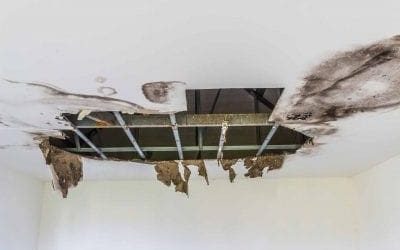
▸ Ceiling Leak Water Damage Repair: Finding the source of overhead leaks, drying out the cavity, and repairing stained or sagging ceilings.
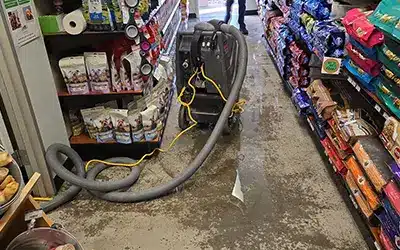
▸ Flood Cleanup: Fast removal of standing water after heavy rain, snowmelt, or a storm, plus sanitizing and drying.
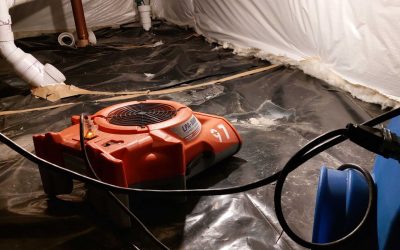
▸ Crawl Space Water Damage Restoration: Below-grade water removal, vapor barrier and encapsulation, and moisture control to stop mold at the source.
▸ Storm Damage Restoration: Emergency roof tarping, board-up, and water-intrusion repairs after Denver’s hail and wind storms.
With water damage, speed and good paperwork are everything. The minute you call, we send a crew out to find and stop the source, then pump out the standing water. After that, we map the moisture, set up commercial air movers and dehumidifiers, and check the drying every day with logged readings. Those are the same records your insurer wants to see, and we hand them to you for your claim. Once we confirm the place is dry, we clean, sanitize, and rebuild whatever got damaged. The whole time, we keep you updated and give you the documentation you need, so you can focus on getting your home or business back to normal.
In need of our service?
Fill out the form below and let us know how can help you.


Most of the time, the drying takes about 3 to 5 days, and the full restoration with repairs runs around two weeks. Minor damage can dry in 24 to 48 hours, but if there is mold or structural damage, it can stretch to several weeks or even a few months.
Shut off your main water valve right away, then open the faucets to drain the lines. Move your valuables out of the water, take photos for your insurance, and call a pro. Up here, acting within hours instead of days is the best way to head off mold and structural damage.
Our altitude and sharp temperature swings cause the water in your pipes to freeze and expand, especially in basements, crawl spaces, and along outside walls. During a hard freeze, local plumbers get up to three times their normal emergency calls. Older homes with weak insulation are the most at risk.
Most policies cover sudden, accidental water damage like a burst pipe, but they usually do not cover slow leaks or surface flooding, which often need separate flood insurance. Colorado denies water claims more often than the national average, so reporting it fast and documenting it well are key.
In Denver, it usually runs from about $1,250 for a small single-room problem to over $10,000 for a big multi-level flood, with a local average around $2,700, based on industry data. We give you a free, itemized estimate so you know the cost before we start.
Yes. We use submersible pumps and truck-mounted extraction built for below-grade spaces, then dry the foundation walls and framing with commercial dehumidifiers. For crawlspaces, we also put in vapor barriers and encapsulation to keep the moisture and mold from coming back.
Our IICRC-certified techs use moisture meters and thermal moisture mapping to find water inside walls, ceilings, and subfloors that you cannot see. Then we set drying equipment where it is needed and check the readings every day until the structure is back to normal moisture levels.
Mold can start growing within 24 to 48 hours, even in Denver’s dry air, because basements and closed-off spaces trap humidity. Getting the water out fast and drying everything thoroughly is the best way to prevent it, which is exactly why we answer the phone around the clock.
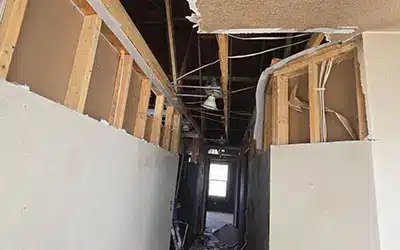
Both. We handle the whole thing: emergency extraction, drying, sanitizing, and rebuilding the drywall, flooring, ceilings, and finishes. You get your property back to the way it was, all from one team under one contract.
Yes. We offer 24/7 emergency water damage response across Denver and the surrounding metro, and we usually get there within the hour. Call 720-514-3739 any time, day or night, and we will get the cleanup started.
