How to Protect Your Home from Water Damage During Heavy Rainfall: Expert Tips from Our Techs

Blog Summary:

Heavy rainfall in Denver can overwhelm gutters, drainage systems, roofs, and foundations within minutes. This blog explains how homeowners can prepare before storms, inspect vulnerable areas, improve drainage, respond when water enters, and know when professional restoration is needed.
As professionals who’ve seen firsthand how devastating water damage can be—especially during heavy rainfall—we want to share some tips with you to prevent it from happening in the first place. Here in Denver, we often face sudden downpours, flash floods, and other weather challenges that can cause significant water damage to homes. But with a little preparation, you can keep your property safe and secure. 

1. Check Your Home’s Waterproofing System

One of the most effective ways to prevent water damage is by ensuring that your home is properly waterproofed. Start by inspecting your roof for any missing shingles or damaged flashing. These are common places where rainwater can seep in. Also, ensure that your windows are properly sealed to prevent water from getting inside.

Another important step is cleaning your gutters and downspouts. If they’re clogged, they won’t be able to properly direct rainwater away from your home. Overflowing gutters can cause water to pool near your foundation, which leads to leaks.

At Anatom Restoration, we offer professional inspections and repairs to help ensure that your home is properly waterproofed.


2. Understand and Manage Flood Risks

If your home is in a flood-prone area, it’s crucial to take extra precautions. Flash floods can happen quickly, and being prepared can make all the difference.

Make sure the grading around your property slopes away from your home, so water doesn’t pool near the foundation.

For homes that are more vulnerable to flooding, consider installing sump pumps in your basement or French drains in the yard. These can help direct excess water away from your property and reduce the chances of flooding.


3. Quick Action Is Key When Water Damage Occurs

Even with all the preparation, water damage can still happen. If you notice flooding or leaks in your home, it’s important to act quickly.

The longer the water sits, the more damage it can cause to your floors, walls, and personal belongings.

Start by using a wet vac to remove standing water and dry the affected areas immediately.

If the damage is extensive, we recommend reaching out to a professional restoration company like Anatom Restoration for immediate assistance.

We’re available 24/7 to help you address water damage and restore your home to its pre-damage condition.


4. Install Water Sensors for Early Detection

Water sensors are an excellent tool for detecting leaks early before they turn into major problems.

By placing sensors in key areas like basements, kitchens, and bathrooms, you can receive instant alerts whenever moisture is detected. This early warning system allows you to respond quickly and prevent long-term damage, after moisture is detected make sure to check for hidden moisture in the walls or ceiling.

If you’d like to install water sensors in your home, We can help. We’ll guide you through the process and make sure your home is protected around the clock.


5. Know the Difference Between Storm Water and Plumbing Leaks

Understanding the source of the water damage is crucial to addressing the issue effectively.

Water damage caused by storms typically affects basements or lower levels of the home, while plumbing leaks are more localized to areas like kitchens or bathrooms.


Conclusion

As homeowners, it’s essential to take steps to protect your property from the damaging effects of water, especially during heavy rainfalls.

By checking your waterproofing system, understanding flood risks, and acting quickly when water damage occurs, you can minimize the potential damage.

At Anatom Restoration, we’re committed to helping you protect your home and restore it if water damage does occur.

If you need help assessing water risks or dealing with water damage, we’re here to help.
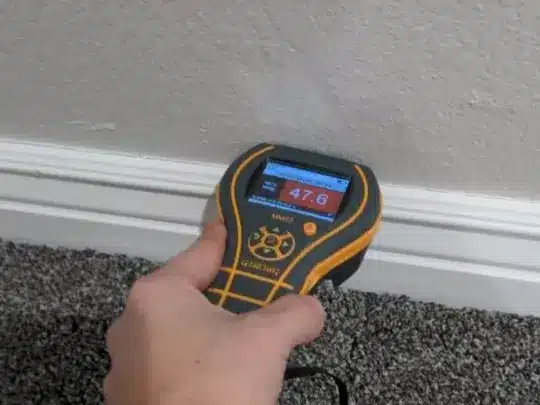
A person holding a moisture detection device against a wall near the baseboard, displaying a reading of 47.6
Get A Quote

In need of our service?
Fill out the form below and let us know how can help you.

Heavy Rain Water Damage Prevention Questions for Denver Homes

Gutters should be cleaned at a minimum twice per year: once in late spring after cottonwood and other debris have fallen, and once in fall after leaves drop. Homes near large trees may require more frequent cleaning. Denver’s summer storms can deliver intense rainfall in short bursts – clogged gutters overflow quickly, directing water toward the foundation rather than away from it, which is one of the leading causes of basement and crawlspace intrusion in the Denver metro.

Foundation grading refers to the slope of the soil immediately surrounding your home. The ground should slope away from the foundation at a rate of at least 6 inches over 10 feet to direct runoff away from the structure. When soil settles over time, or landscaping is added near the home, grading can reverse, directing water toward the foundation during heavy rain. Re-grading is a relatively straightforward project that significantly reduces basement flooding and foundation seepage risk.

A properly installed and maintained sump pump provides substantial protection against basement flooding, particularly in homes in lower-lying areas or with high water tables. During intense Denver summer storms, sump pumps are often the critical defense between a dry basement and a flood. Battery backup is essential – power outages during severe storms are common, and a sump pump without backup fails precisely when it’s needed most.

Move valuables off the floor, place towels at entry points to slow intrusion, use a wet/dry vacuum to remove standing water from hard floors, and document all damage with photos for insurance. If water is entering faster than you can manage it, or if it is reaching electrical outlets, stop self-cleanup and call an emergency restoration service. Do not use electrical appliances in flooded areas or attempt to enter a basement with rising water if your electrical panel is there.

Inspect the roof annually for missing or cracked shingles, damaged flashing around chimneys and vents, and deteriorated sealant around skylights or HVAC penetrations. Ensure all window and door seals are intact and caulk any gaps along the perimeter. Trim tree branches that overhang the roof to reduce debris accumulation in gutters and the risk of impact damage. Check that downspouts extend at least 4–6 feet from the foundation and discharge onto a surface that slopes away from the home.

What Our Customers Are Saying

4.8
Based on 343 reviews
Jim Bradley
Dan and Mike got to my house promptly and got straight to work. They were informative and also answered my questions concerning what needed to be done at each stage of cleanup and restoration.Highly recommend
JT
Dan, Mike and Ernesto really saved me. After a fridge filter leaked causing major damage they were there within an hour and really went the extra mile to make sure everything was taken care of. Can't thank you guys enough
Muhammet
Dan and Udi were amazing! Our basement flooded, and they responded quickly, worked efficiently, and helped save our home from serious water damage. Professional, knowledgeable, and great to work with. I highly recommend Anatom Restoration!
Pam Adams
Eli and Dan took care of our leak immediately and did a thorough job of documenting and making sure we found the reason for the leak. Excellent and responsive service!
Rene Ordaz
Dan, Nate and Mike helped me with the flooding of my basement. They were incredibly professional and efficient. Highly recommend
Dan Wallace
Dan, Nate and team were great! We had an emergency situation and they came right away, were able to act quickly, and were very honest and upfront throughout the process. Would recommend to anyone
Pete Donnally
Dan and Nate were awesome to work with! Came out ASAP due to the urgency and were amazing to communicate with. Would recommend them to anyone.
John H
Very impressed with this company! They are very professional, upfront with pricing, and check all of boxes for mitigation needs. Dan was very helpful and reliable as the lead for this work, and I would recommend him and Anatom for any future mitigation projects!
Aaron Argabright
Dan, Nate, period, end of sentence. This team, crew and company are more than fantastic, they actually care! Total respect, quality help and they came in and out of my house when I wasn’t there. I never worried, they are that honest and great.
Zachary Solomon
Dan was the man - very prompt, responsive, and thorough. We have a new born at home so the timing was less than ideal, but they made it as painless as possible. Very knowledgeable and straight forward, would recommend.
js_loader